



Investing can be an important part of building long-term financial wealth, but deciding where to put your money is only one part of the process. Before investing, it is equally important to understand your current financial position, cash flow, tax obligations, financial goals and future requirements. This is where financial planning becomes important. A well-structured financial plan can help you understand how investing fits into your broader financial picture instead of making investment decisions in isolation. For individuals and business owners, working with a CPA firm in Texas can also provide valuable insight into the tax and financial considerations that may accompany investment decisions. PG Accountants LLC provides tax preparation and strategic tax planning, business consulting, financial reporting, audit and advisory services, giving clients access to broader financial expertise beyond basic tax preparation.
Quick Answer: Why Is Financial Planning Important Before Investing?
Financial planning helps you understand how much you can reasonably invest, what your financial priorities are, what obligations need to be covered and how potential tax considerations fit into your overall financial position. Without a plan, it can be tempting to invest based on a particular opportunity without first considering liquidity, existing commitments or longer-term objectives. A financial plan provides a framework for making investment decisions based on your broader financial circumstances.
- Understand Your Current Financial Position First : Before deciding how much to invest, you need to understand where you stand financially. This can include reviewing:
- Income and cash flow
- Regular expenses
- Existing debt
- Savings and cash reserves
- Current investments
- Business obligations
- Tax liabilities
- Short- and long-term financial goals
This exercise is particularly important for business owners. Having cash available in a business account does not necessarily mean that all of it is available for investment. Some of that money may be required for payroll, operating expenses, taxes, working capital or future business plans. Understanding your financial position gives you a more realistic foundation for deciding what capital may be available for longer-term purposes.
- Define Why You Are Investing : Before choosing an investment, ask a more fundamental question:
What am I investing for?
Your objective could be building long-term wealth, preparing for retirement, creating financial reserves, funding a future business requirement or achieving another long-term financial goal. Having a clearly defined objective can make it easier to evaluate whether an investment decision fits into your overall financial strategy. The investment should support the financial plan—not become the plan itself.
- Consider Your Cash Flow and Liquidity : One of the most important aspects of financial planning is understanding when you may need access to your money. Money that may be needed in the near term for taxes, debt payments, emergencies, business expenses or other obligations may need to be treated differently from money intended for longer-term goals. For businesses, this distinction can become even more important. A company may experience strong cash flow today but still need those funds for expansion, inventory, equipment, payroll or other operating requirements later. Financial planning can help separate potential investment capital from funds that may be needed to maintain financial flexibility.
- Think About Tax Implications Before Investing : Investment decisions can have tax implications, depending on the type of investment, how it is structured and the individual’s or business’s circumstances. This is one reason tax planning should not necessarily be treated as something that happens only after an investment has been made. A tax professional can help you understand the potential tax considerations associated with different financial decisions and how they fit within your overall tax position. This is an area where a CPA firm in Texas can provide useful support, particularly for business owners and individuals with more complex financial situations. PG Accountants LLC specifically highlights strategic tax planning and tax preparation among its services, along with business consulting and broader financial expertise.
- Don’t Confuse Available Cash With Investable Cash : Having money in your bank account does not automatically mean that it should be invested. Before committing funds, consider whether you may need that money for:
- Upcoming tax payments
- Business operating expenses
- Debt obligations
- Emergency requirements
- Planned purchases
- Expansion
- Other financial commitments
This is especially relevant to entrepreneurs. Business owners often need to balance personal wealth-building goals with the financial needs of the business. Financial planning can help bring those competing priorities into one broader picture.
- Business Owners Need a More Complete Financial View : For entrepreneurs, investment planning can involve both personal and business considerations. For example, a business owner may need to consider:
- Business cash flow
- Tax planning
- Financial reporting
- Existing liabilities
- Expansion plans
- Personal financial requirements
- Future capital needs
- Business profitability
Looking at an investment decision without considering these factors may provide an incomplete picture. A CPA firm in Texas that also provides business consulting, tax planning and financial reporting can help business owners evaluate financial decisions in the context of their wider business position. PG Accountants’ services include business consulting, tax planning, financial reporting and audit and assurance.
- Accurate Financial Information Makes Planning Easier : Financial planning depends on reliable information. If income, expenses, assets, liabilities or business financial records are incomplete or outdated, it becomes harder to understand how much financial flexibility you actually have. For businesses, accurate financial reporting can provide management with a clearer picture of financial performance and position. It can also help professionals evaluate financial decisions using current and relevant information rather than assumptions. This is why financial planning, tax planning and financial reporting can often work together rather than being treated as completely separate activities.
- Financial Planning Helps You Think Beyond the Next Investment : Investing can sometimes become overly focused on individual opportunities. A financial plan encourages a broader perspective. Instead of asking only:
“Is this a good investment?”
you can also ask:
- Does it fit my financial goals?
- Do I need this money elsewhere?
- What is my investment time horizon?
- How does this fit with my existing financial position?
- What tax considerations should I understand?
- Will this decision affect my business or cash flow?
- What other financial priorities should I address first?
These questions can help put individual investment decisions into context.
- Professional Guidance Can Connect Tax, Business and Financial Planning : Financial planning does not necessarily mean that one professional handles every aspect of your investments. Investment selection, financial planning and tax planning can involve different areas of expertise. However, having a qualified CPA involved can be particularly useful when you need to understand the tax and financial implications of broader decisions. PG Accountants LLC’s service offering includes tax preparation and strategic tax planning, business consulting, bookkeeping, payroll management, financial reporting and audit and compliance services. This broader perspective can be useful for clients whose financial decisions involve both personal and business considerations.
What Should You Review Before Starting to Invest?
Before making an investment decision, consider working through this checklist:
- Review Your Finances : Understand your income, expenses, assets, liabilities and available cash.
- Define Your Goals : Know what you are investing for and the time horizon associated with that goal.
- Consider Liquidity : Make sure you understand which funds may be needed for short-term requirements.
- Review Your Tax Position : Consider how investment-related decisions may interact with your existing tax circumstances.
- Evaluate Your Business Needs : If you are a business owner, consider operating requirements, expansion plans and future capital needs.
- Organize Your Financial Records : Accurate and current financial information can make planning more meaningful.
- Seek Appropriate Professional Guidance : Where financial or tax decisions are complex, consider consulting appropriately qualified professionals before acting.
How Can a CPA Firm in Texas Help With Financial Planning?
A CPA firm in Texas can contribute to the financial planning process by helping clients understand the accounting, tax and business implications surrounding their financial decisions. Depending on the firm’s capabilities, this may include:
- Strategic tax planning: Reviewing potential tax considerations before financial decisions are made.
- Financial reporting: Helping businesses maintain reliable financial information for planning and decision-making.
- Business consulting: Evaluating financial decisions within the context of broader business objectives.
- Tax compliance: Helping businesses and individuals address applicable tax obligations.
- Audit and advisory support: Providing additional financial expertise where reporting, compliance or business complexity requires it.
PG Accountants LLC offers these capabilities across its tax, financial reporting, audit and advisory practices, with a focus on tailored financial solutions for individuals and businesses.
FAQs
Is financial planning necessary before investing?
Financial planning can be valuable because it helps you understand your financial position, goals, cash-flow requirements and potential tax considerations before committing money to investments.
Can a CPA help with investment planning?
A CPA can help with the accounting and tax aspects of financial decisions, including understanding potential tax implications and how investment decisions fit into a broader financial position. Investment advice and product selection may fall outside the CPA’s scope depending on the professional and engagement.
Why is tax planning important before investing?
Different financial decisions can have different tax consequences. Considering potential tax implications in advance can help you make decisions with a clearer understanding of the overall financial impact.
Why is financial planning especially important for business owners?
Business owners need to balance personal financial objectives with business cash-flow requirements, taxes, operating expenses, expansion plans and other obligations. Financial planning can help bring these considerations together.
What does a CPA firm in Texas do besides tax preparation?
Depending on the firm, services can include strategic tax planning, business consulting, financial reporting, audit and assurance, bookkeeping and other advisory services. PG Accountants LLC offers tax, audit, financial reporting and advisory-related services.
Does financial planning guarantee investment returns?
No. Financial planning does not guarantee investment performance. It is intended to help organize financial goals, resources, obligations and decision-making.
When should you speak with a CPA before investing?
Consider professional guidance when an investment decision has significant tax implications, involves business funds, affects your broader financial structure or involves complex financial or reporting considerations.
Investing should be viewed as one component of a broader financial strategy. Before putting money into an investment, take time to understand your financial position, goals, cash-flow requirements, liquidity needs and potential tax considerations. This can help you make decisions based on your overall financial circumstances rather than reacting to individual investment opportunities. For business owners and individuals with more complex financial situations, a CPA firm in Texas can provide valuable support by connecting tax planning, financial reporting and business considerations. PG Accountants LLC combines tax preparation and strategic tax planning, business consulting, financial reporting, audit and assurance and advisory capabilities, providing a broader financial perspective for businesses and individuals. The right approach will depend on your individual or business circumstances, financial goals and applicable tax requirements.
Note: This article is intended for general educational purposes and should not be considered personalized investment, tax, accounting or financial advice. Investment decisions and tax consequences vary based on individual circumstances. Consult appropriately qualified professionals before making significant financial decisions.
Post a comment
Related Posts

October 26, 2026
What Should You Look for When Choosing Audit Services in Houston, TX?
Choosing the right audit firm is essential for maintaining accurate financial reporting, meeting regulatory requirements,…

October 26, 2026
How Can a CPA Firm in Texas Help Your Business Stay Financially Compliant?
Maintaining financial compliance is essential for businesses that want to operate responsibly, manage reporting obligations,…
October 26, 2026
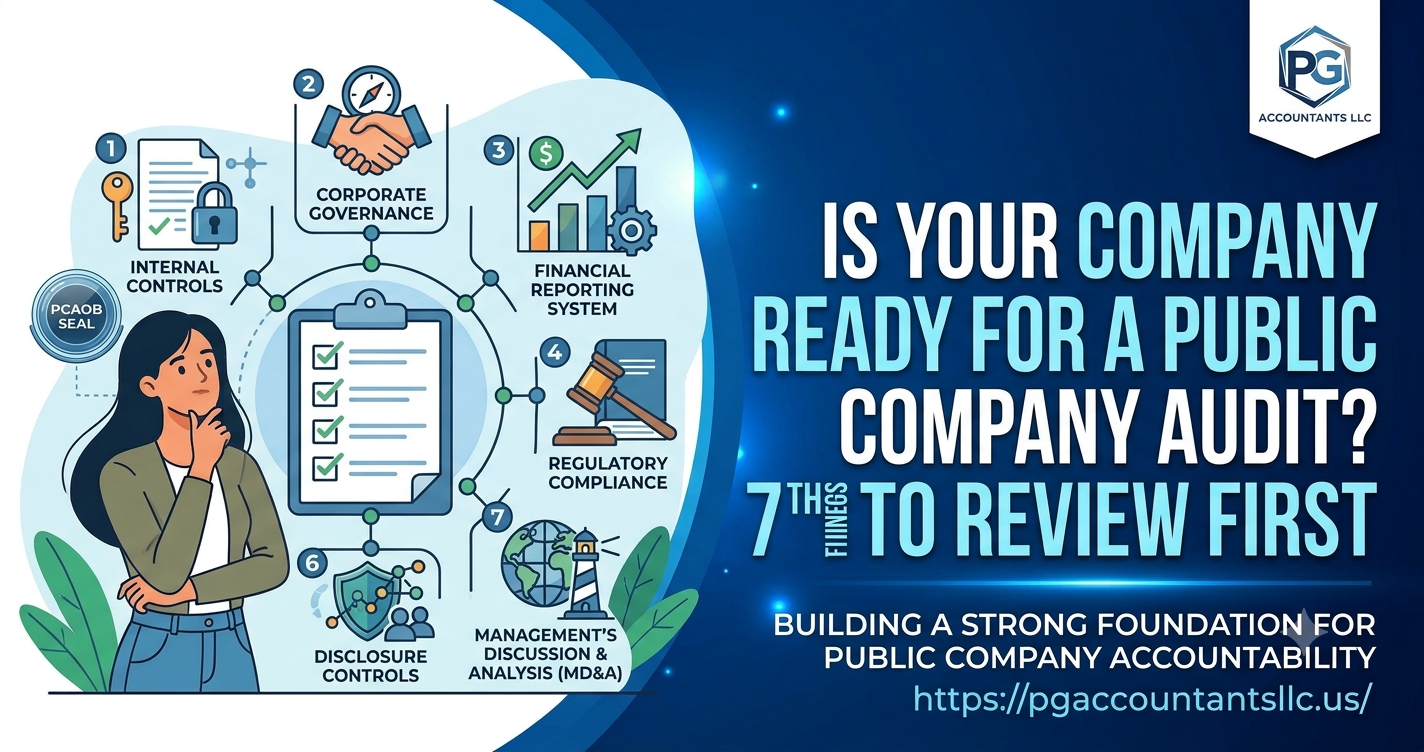
Is Your Company Ready for a Public Company Audit? 7 Things to Review First
Preparing for a public company audit requires accurate financial records, reliable internal controls, and well-organised…
October 26, 2026
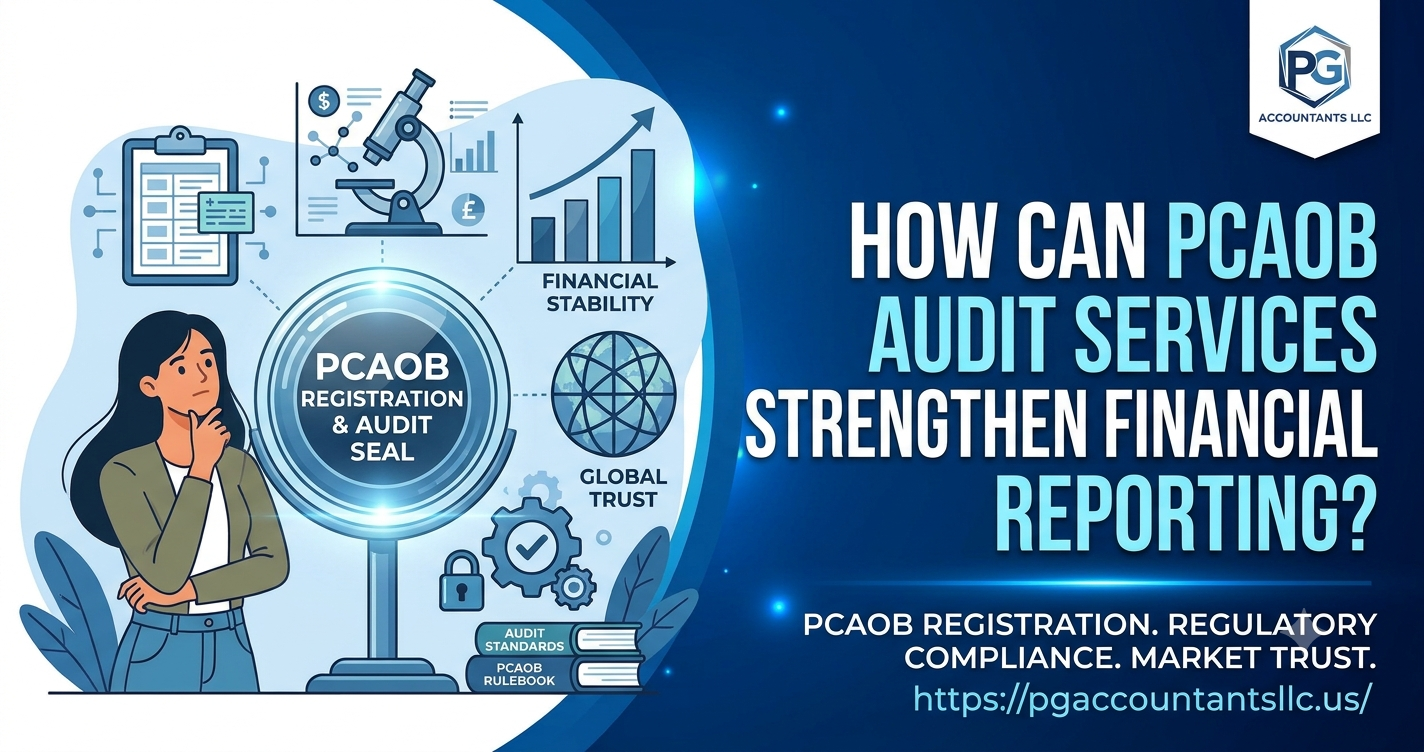
How Can PCAOB Audit Services Strengthen Financial Reporting?
Financial reporting is more than a collection of numbers on a balance sheet or income…


